FUDA  ROOFING
ROOFING
+86 138 6922 6336
Watch Factory
ROOFING
Stone coated metal roof tiles are often described as "install and forget," and there is real truth to that — they require far less upkeep than asphalt shingles or clay tiles. But "low maintenance" is not the same as "zero maintenance." A short annual inspection and a few simple habits will protect the stone surface, the fasteners, and the flashing so the roof delivers its full multi-decade lifespan. Here is a practical maintenance guide for homeowners, contractors, and property managers.
To understand what maintenance a stone coated metal roof needs, it helps to understand what it is. Each tile is a multi-layer engineered product: a galvanized or galvalume steel core, a layer of natural stone granules bonded with acrylic resin, and a UV-resistant overglaze. There is no organic material to rot, crack, or feed moss the way there is on wood shakes, clay tiles, or asphalt shingles.
| Roofing Material | Typical Maintenance Burden |
|---|---|
| Asphalt shingles | Granule loss, curling, cracking, moss and algae growth — frequent repair or replacement |
| Clay / concrete tiles | Fragile — cracked tiles from foot traffic or impact, moss in damp climates, re-pointing ridges |
| Wood shakes | Rot, mold, splitting, insect damage, and regular re-treatment |
| Stone coated metal | Light cleaning, gutter clearing, and a visual check for damage — very low ongoing burden |
Once a year — ideally in spring or after the storm season — walk through a short visual inspection. You do not need to climb onto the roof for most of it; a pair of binoculars from the ground covers a lot of ground safely.
Safety note: if you do need to walk the roof, step on the lower third of each tile (over the batten or support) and wear soft-soled shoes. Never stand on the tile crests or edges, and use a harness on steep pitches. When in doubt, hire a professional — a small inspection fee is cheaper than a broken tile or an injury.
Stone coated metal roofs rarely need washing — rain handles most of it. When you do clean, the goal is to remove debris and organic buildup without disturbing the stone granules or the overglaze.
Not every imperfection needs a repair. Knowing the difference between normal wear and a real defect saves you money and worry.
| Condition | What It Means | What to Do |
|---|---|---|
| Loose granules in the gutter (first 1–2 years) | Normal settling of surface granules after installation and transport | Clear the gutter and monitor; no action needed |
| Small bare patches or thin spots | Possible under-cured resin or inconsistent granule coverage | Document with photos; if widespread, contact the supplier about a coating defect |
| Scratches exposing bare metal | Impact or tool damage through the coating | Touch up with a compatible touch-up paint to reseal the steel and prevent rust |
| Loose or lifted tile | Backed-out fastener, missing clip, or wind damage | Re-secure promptly — a loose tile invites wind uplift and water entry |
| Consistent color fade or chalking | UV breakdown of a missing or thin overglaze | Cosmetic at first, but a sign the glaze was skipped — note it against the warranty |
Most roof damage is easier to prevent than to repair. Four habits will protect a stone coated metal roof through decades of weather:
Here is the part most care guides leave out: how much maintenance a roof needs is decided before it is ever installed. The tiles that stay low-maintenance for 40 or 50 years are the ones made correctly in the first place.
The durability factors are the same ones we cover in our manufacturing guide — AZ150 galvalume steel for corrosion resistance, properly cured resin so granules stay bonded, and a UV-stable overglaze so the color holds. A tile that skips any of these steps will look fine on day one but start shedding granules, rusting, or fading within a few years — no amount of diligent cleaning will fix a manufacturing shortcut.
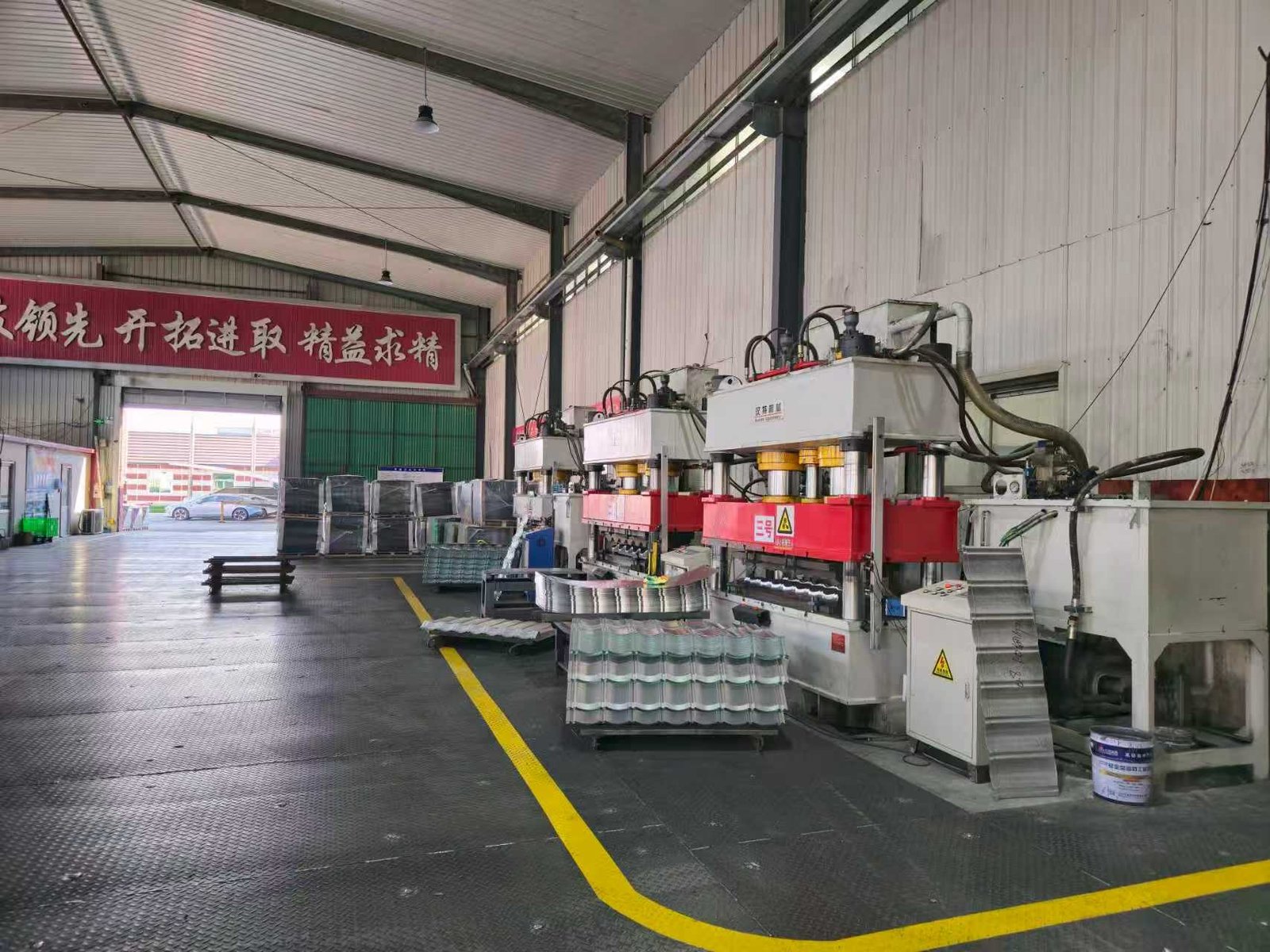
The practical takeaway: when you source stone coated metal roof tiles, the best "maintenance plan" is buying from a manufacturer that is transparent about its substrate, curing process, and overglaze — and that can back it up with a sample and a technical data sheet. A well-made tile keeps its maintenance burden low for its entire life.
Fuda Roofing manufactures nine tile profiles in-house with AZ150 galvalume steel, full curing, and a UV-stable overglaze — built to stay low-maintenance for decades. Request a free sample and technical data sheet.
Request Free Sample & Quote →Q: How often should I inspect a stone coated metal roof?
A: Once a year is enough for most climates. If you live in an area with severe storms, hail, or heavy coastal salt, a second check after storm season is a good idea. Most of the inspection can be done from the ground with binoculars.
Q: Can I pressure-wash stone coated metal roof tiles?
A: No. High-pressure water strips the stone granules and can lift the acrylic overglaze, permanently damaging the surface. Use a garden hose at low pressure and a soft brush instead.
Q: Is it normal to see granules in the gutter?
A: A small amount of loose granules in the first year or two is normal — it is surface granules settling after manufacturing and transport. Persistent, heavy granule loss or bare patches on the tile face are not normal and point to a coating or curing defect.
Q: Do stone coated metal roof tiles need to be repainted or resealed?
A: No. Unlike wood or some metal panels, a properly made stone coated tile has its color sealed into the stone coating and protected by a UV overglaze. It should not require repainting or resealing over its life.
Q: What causes a stone coated roof to need more maintenance than expected?
A: Usually one of two things: a manufacturing shortcut (galvanized instead of AZ150 steel, under-cured resin, or a skipped overglaze) or an installation problem (loose fasteners, poor flashing). Fixing the source is always better than cleaning around the symptom.
Stone coated metal roof tiles earn their reputation as a low-maintenance roofing material — there is no organic material to rot, crack, or feed moss. But keeping them that way comes down to a few simple habits: an annual visual inspection, safe low-pressure cleaning, prompt attention to loose fasteners and flashing, and trimming overhanging branches. Just as important is where the roof starts: a tile made with AZ150 galvalume steel, properly cured resin, and a UV-stable overglaze will stay low-maintenance for decades, while a cheaper tile will fight you with granule loss and fading no matter how carefully you care for it. Inspect once a year, clean gently, and source well — and your roof will largely take care of itself.
彩石金属瓦常被形容为"装上就不用管",这话有道理——它比沥青瓦、陶土瓦省心得多。但"低维护"不等于"零维护"。本文提供一份实用的彩石金属瓦保养指南:每年做一次简单目视检查(可用望远镜在地面完成),重点看四样东西——石粒覆盖情况、紧固件与泛水、排水沟、以及悬垂的树枝。文中强调了几条关键原则:切勿高压水枪冲洗或使用金属工具刮擦,否则会破坏石粒与UV保护釉层;切边处的少量落粒属正常现象,而大面积露底则提示涂层或固化缺陷;悬垂树枝、不当踩踏、排水沟堵塞和沿海盐分是造成损伤的四大主因。文章还指出一个常被忽略的事实:屋顶的维护成本其实在出厂时就已决定——采用AZ150镀铝锌钢板、充分固化树脂和UV稳定釉层的瓦,才能在整个使用寿命内保持低维护。买对瓦,装好瓦,才是最好的保养方案。
Written by: Fuda Roofing Export Team · Last updated: 2026-10-05