FUDA  ROOFING
ROOFING
+86 138 6922 6336
Watch Factory
ROOFING
A roof is the single biggest long-term investment on most buildings, and the first question every serious buyer asks is the same: "How long will it actually last?" The answer matters more than the sticker price — a roof that needs replacing in 15 years costs far more in the long run than one that lasts 50. Here is a practical, spec-level look at stone coated metal roof lifespan, what shortens it, what extends it, and how to verify durability before you place an order.
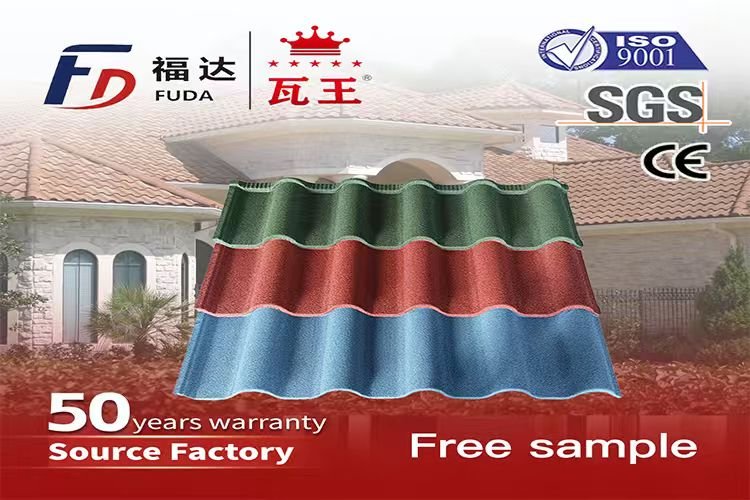
A stone coated metal roof tile is a pressed steel panel coated with a layer of natural stone granules bonded in acrylic resin. It combines the structural strength of steel with the look of traditional clay or slate tiles, at a fraction of the weight.
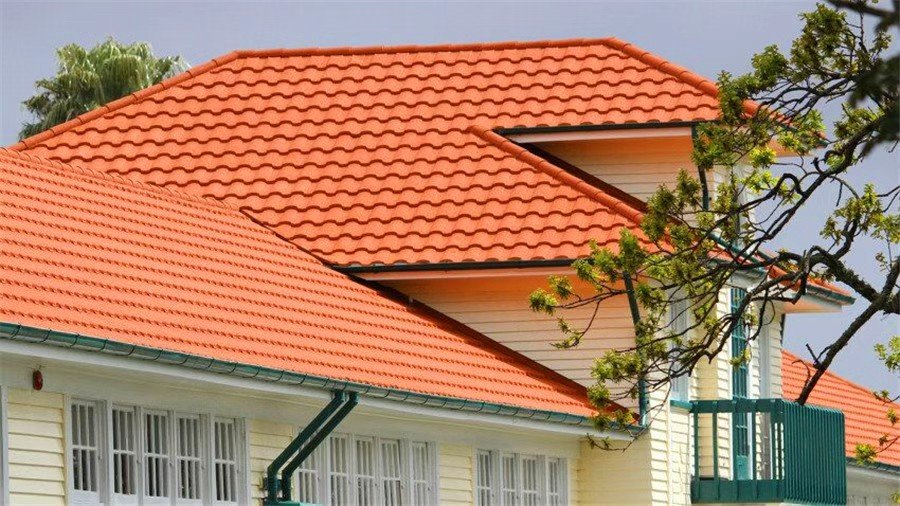
The three layers each serve a purpose in longevity:
Lifespan only means something in comparison. Here is how the major roofing options stack up in typical field conditions:
| Roofing Material | Typical Lifespan | Weight | Key Limitation |
|---|---|---|---|
| Asphalt shingles | 15–30 years | Light | Granule loss and UV degradation in hot climates |
| Clay tiles | 50–100 years | Very heavy | Brittle — cracks under impact; needs reinforced structure |
| Concrete tiles | 30–50 years | Heavy | Water absorption, staining, moss in humid climates |
| Stone coated metal | 40–70 years | Light (~1/6 of clay) | Lifespan depends heavily on steel grade and install quality |
* Lifespan figures are industry-typical ranges under normal conditions. Actual service life varies by climate, steel specification, and installation quality.
Two tiles can look identical on a brochure and perform very differently over 30 years. These are the specifications that actually separate a 40-year roof from a 70-year roof:
| Specification | What to Look For | Why It Matters |
|---|---|---|
| Steel substrate | Galvalume (AZ150 / AZ185) preferred | Aluminium-zinc alloy coating resists cut-edge corrosion 2–4× better than galvanised steel |
| Base metal thickness | 0.35–0.50 mm | Thicker steel resists denting from hail and foot traffic during maintenance |
| Stone granule quality | Ceramic-coated basalt, UV-stable | Natural basalt granules hold colour and protect the steel for decades without fading |
| Binder / resin | Acrylic resin, factory-applied | Locks granules in place; factory application ensures consistent thickness and curing |
| Fastener & accessory quality | Matching coated screws, ridge caps, flashing | A roof only lasts as long as its weakest component — rusted fasteners are a common early failure |
> Specifications vary by tile profile, steel thickness, colour and project requirements. Confirm the final technical data sheet before ordering.
Even a well-made tile will underperform if the wrong specification is ordered for the wrong environment. The three biggest threats:
Salt-laden air accelerates corrosion on any metal roof. Buildings within a few kilometres of the coast should specify a higher-grade substrate (AZ185 or marine-grade) and confirm the manufacturer's coastal warranty terms in writing.
Stone coated metal is far more impact-resistant than clay or concrete, but large hail can still dent thin steel. If the project is in a hail zone, order the thicker substrate (0.45–0.50 mm) rather than the economy option.
The most common cause of premature failure is not the tile — it is incorrect fastening, wrong underlayment, or cut edges left exposed and unsealed. Confirm the installer follows the manufacturer's fixing pattern and uses matching coated fasteners.
You should not take lifespan claims on faith. A serious manufacturer can document how durability is verified during production. These are the checks Fuda Roofing runs on every batch:
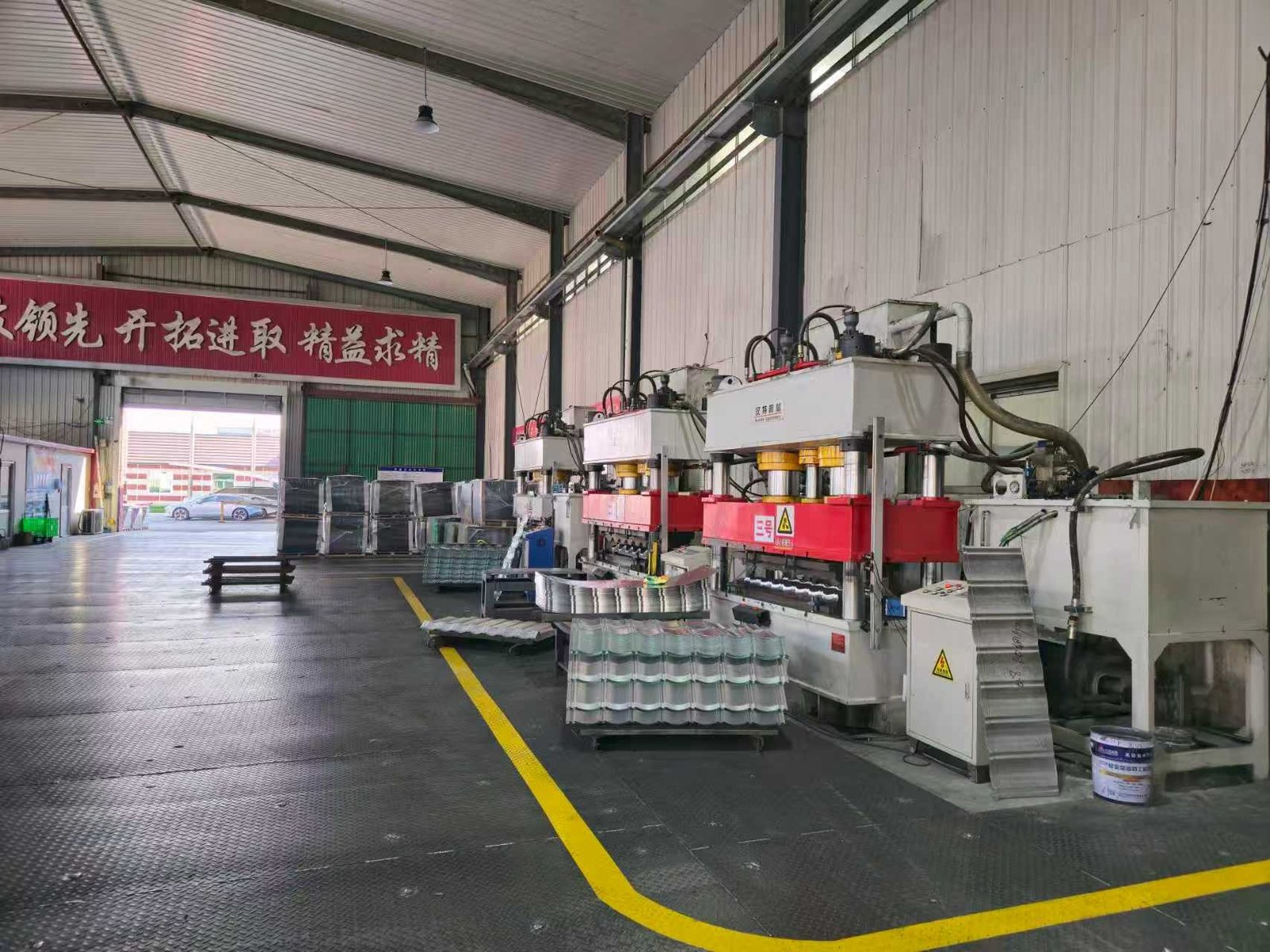
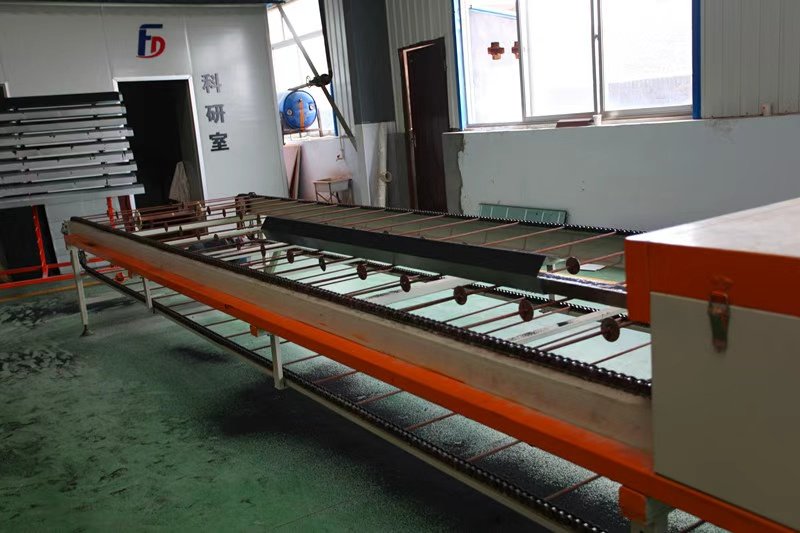
Buyer Tip: Ask your supplier for a mill test certificate for the steel coil, a technical data sheet listing substrate grade and thickness, and the written warranty terms — not just a warranty number quoted in conversation.
A "50-year warranty" is a strong signal, but the number alone is not enough. When comparing suppliers, confirm the written terms cover:
Fuda Roofing offers a 50-year warranty on its stone coated metal roof tiles, and we provide the written warranty terms with every quotation so there is no ambiguity about coverage.
Two "stone coated metal tiles" can differ by 20 years of service life based on substrate grade and thickness alone. A cheaper tile with 0.30 mm plain galvanised steel will not perform like a 0.45 mm galvalume tile. Compare the data sheets, not just the quotes.
Tile overlap means the usable coverage per tile is less than its physical dimensions. Miscalculating effective coverage causes short orders and rushed, improvised fixes on site that shorten roof life. Confirm coverage (tiles per m²) before ordering.
Approve a physical sample — and ideally a small batch — before committing to a full container. Confirm the steel thickness, coating adhesion, and colour in your hand, not on a screen.
Ridge caps, hip caps, barge boards, and flashing are part of the roof system. Rusted or mismatched accessories create the earliest leaks. Order them from the same manufacturer in the same coating.
A certificate logo on a website is easy to copy. Request the actual certificate document, check the issuing body and validity, and confirm it applies to the product you are buying.
Q: How long does a stone coated metal roof really last?
A correctly specified and installed stone coated metal roof typically lasts 40–70 years. The exact figure depends on the steel substrate grade and thickness, the local climate, and installation quality.
Q: Is a stone coated metal roof better than asphalt shingles for longevity?
Yes. Asphalt shingles typically last 15–30 years and degrade under UV and granule loss, while stone coated metal tiles last 40–70 years because the steel core is shielded by a UV-stable stone coating.
Q: Does the stone coating wear off over time?
Under normal conditions, no. The basalt granules are bonded with factory-applied acrylic resin and are UV-stable — they do not fade or chalk the way paint does. Minor granule loss is normal only at cut edges, which is why edges are covered by flashing.
Q: Can I install stone coated tiles near the coast?
Yes, but specify a higher-grade substrate (marine or AZ185 galvalume) and confirm coastal warranty terms in writing. Salt-laden air accelerates corrosion on standard-grade steel.
Q: What thickness should I order for a hail-prone area?
For hail zones, order 0.45–0.50 mm base metal thickness. Thinner (0.35 mm) steel is fine for most residential applications but dents more easily under large hail.
Q: Does Fuda Roofing offer a warranty?
Yes — Fuda Roofing backs its stone coated metal roof tiles with a 50-year warranty. Written warranty terms are provided with every quotation so coverage and conditions are clear.
Q: How do I verify a factory's durability claims?
Request the mill test certificate for the steel coil, a technical data sheet listing substrate grade and thickness, and the actual certificate documents (not just logos). A reputable factory can supply all three.
Stone coated metal roofing earns its reputation for longevity through the combination of a corrosion-resistant steel core and a UV-stable stone coating — routinely delivering 40–70 years of service, far beyond asphalt shingles and at a fraction of clay tile's weight. The key is to specify the right substrate, approve a physical sample, confirm accessories, and get the warranty in writing. Do that, and your roof is a one-time investment measured in decades, not a recurring expense.
Tell us your tile profile, steel specification, and destination port. We'll send a physical sample, the technical data sheet, and written warranty terms within 24 hours.
Request Free Quote →石材涂层金属瓦的使用寿命是采购商最关心的问题之一。正确选材并规范安装的石材涂层金属瓦通常可使用 40–70 年,是沥青瓦(15–30 年)的 2–4 倍。其耐久性来自三层结构的协同:镀铝锌(galvalume)钢基板提供抗腐蚀与结构强度、天然玄武岩石粒涂层屏蔽紫外线与物理磨损、丙烯酸树脂将石粒牢牢固定。本文详细说明了决定寿命的关键技术参数(钢基板等级、基板厚度 0.35–0.50mm、石粒质量、树脂粘合、配件质量),并对比了四种主流屋面材料的使用年限、重量与短板。文章还指出了缩短寿命的三大威胁——沿海盐雾、冰雹冲击、安装不当,介绍了正规工厂的质量检测流程(原材料检测、厚度测量、涂层检查、包装与装柜记录),以及如何正确理解 50 年质保条款。最后提供了五个常见采购误区与完整的采购检查清单。