FUDA  ROOFING
+86 138 6922 6336
Watch Factory
ROOFING
In hail-prone regions, a roof is only as good as its resistance to a direct hit. Hailstorms cause billions of dollars in roof damage every year, and the material you choose determines whether a storm means a cosmetic mark or a full replacement. Stone coated metal roof tiles are engineered around a steel core that flexes and absorbs impact instead of cracking — which is why they are an increasingly common choice in storm country. Here is how the impact resistance actually works, how it is measured, and what to look for before you buy.
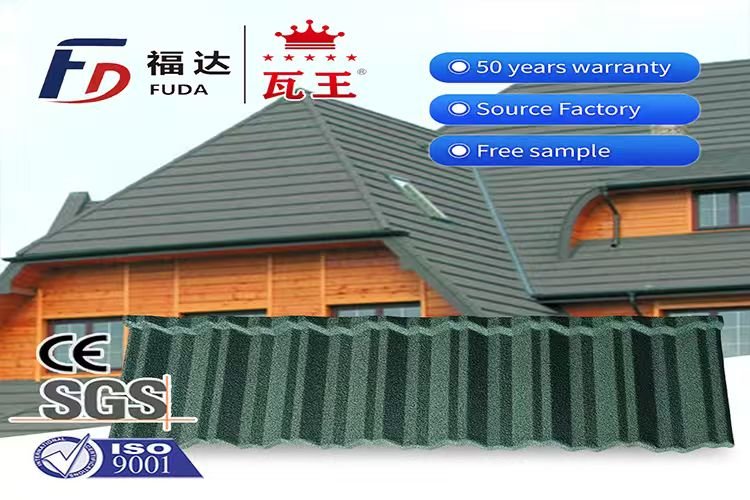
Hailstones can range from pea-sized pellets to golf-ball-sized projectiles, and the energy of a strike depends on size, density, and fall speed. A large hailstone hits a roof surface with enough force to fracture brittle materials and tear softer ones.
How a roof responds to that force comes down entirely to the material:
That elastic behavior is the foundation of a stone coated metal roof's hail resistance. The tile may show a mark, but the roof stays watertight.
A stone coated metal roof tile is a layered engineered product, and every layer contributes to impact performance:
Base steel thickness also plays a role. Most stone coated metal roof tiles use a substrate between 0.35 mm and 0.45 mm. A tile at the thicker end of that range dents less readily and gives the coating more support. For a project in a hail-prone area, it is worth specifying the thicker substrate.
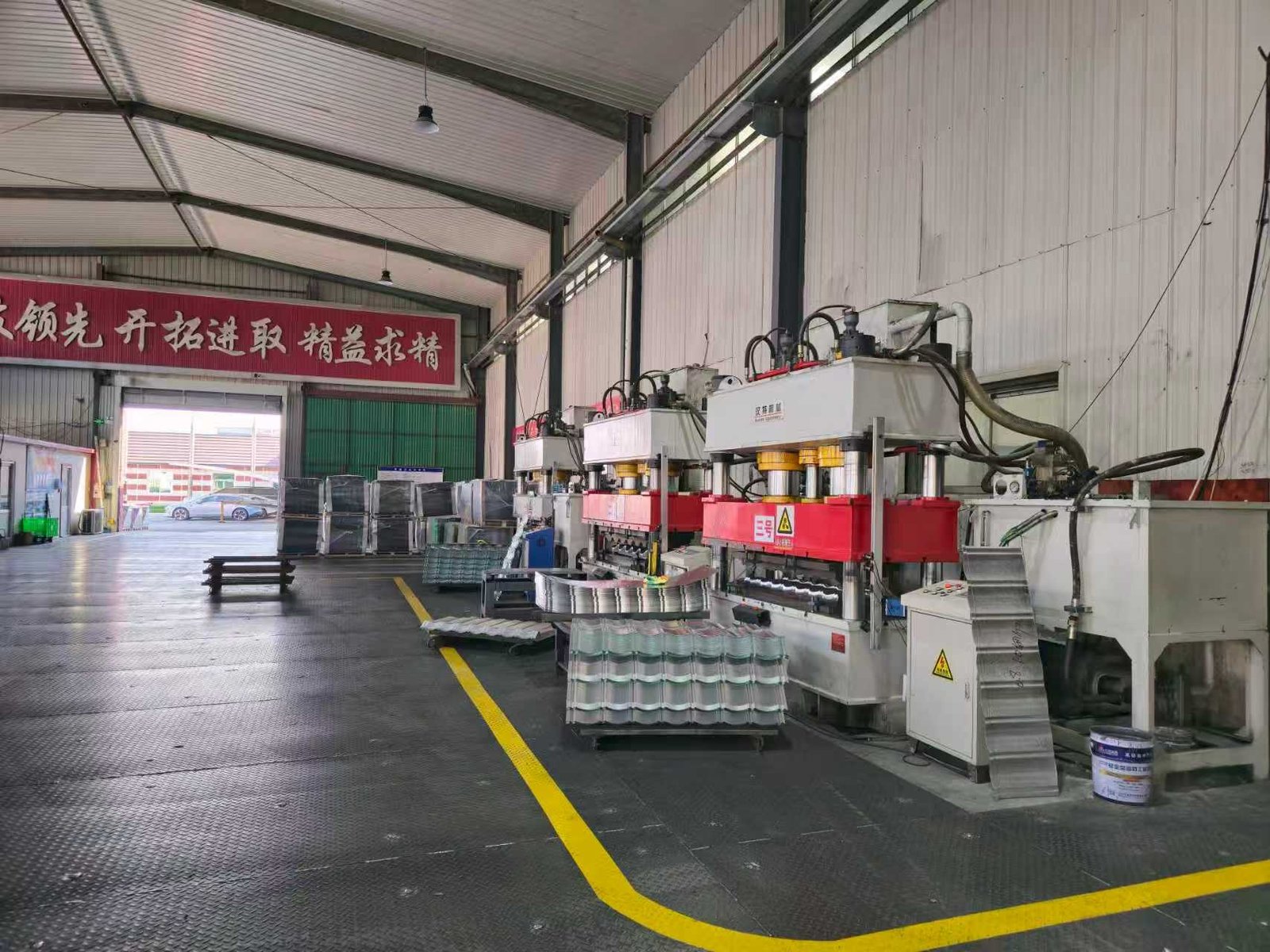
The roofing industry has a standardized way to rate impact resistance. In North America, the benchmark is UL 2218, which simulates hail by dropping steel balls of increasing size onto the roofing material and checking for damage.
| UL 2218 Class | Test (steel ball) | Impact Resistance |
|---|---|---|
| Class 1 | 1.25 in diameter | Lowest — minimal resistance |
| Class 2 | 1.5 in diameter | Moderate resistance |
| Class 3 | 1.75 in diameter | Good resistance |
| Class 4 | 2.0 in diameter | Highest — severe hail resistance |
Class 4 is the rating you want in a hail-prone region. In the test, a 2-inch steel ball is dropped from a set height and the material must not crack, tear, or fracture. Many insurance providers in storm-prone areas offer premium discounts for roofs with a Class 4 impact rating. For commercial projects, the equivalent standard is FM 4473, which uses a similar simulated-hail methodology.
When you are sourcing stone coated metal roof tiles, ask the manufacturer for their impact-resistance documentation — whether the product has been tested to UL 2218 Class 4 or an equivalent standard. A supplier who cannot provide a test result for impact resistance should be treated with caution.
| Material | Hail Response | Typical Outcome |
|---|---|---|
| Stone coated metal | Flexes and absorbs; stone coating disperses force | Cosmetic dents at most; roof stays watertight |
| Clay / concrete tile | Rigid and brittle; cracks on hard impact | Cracked or shattered tiles need individual replacement |
| Asphalt shingle | Bruises and loses granules | Shortened lifespan; often a full re-roof after severe hail |
| Wood shake | Splinters and splits | Split shakes; water intrusion risk |
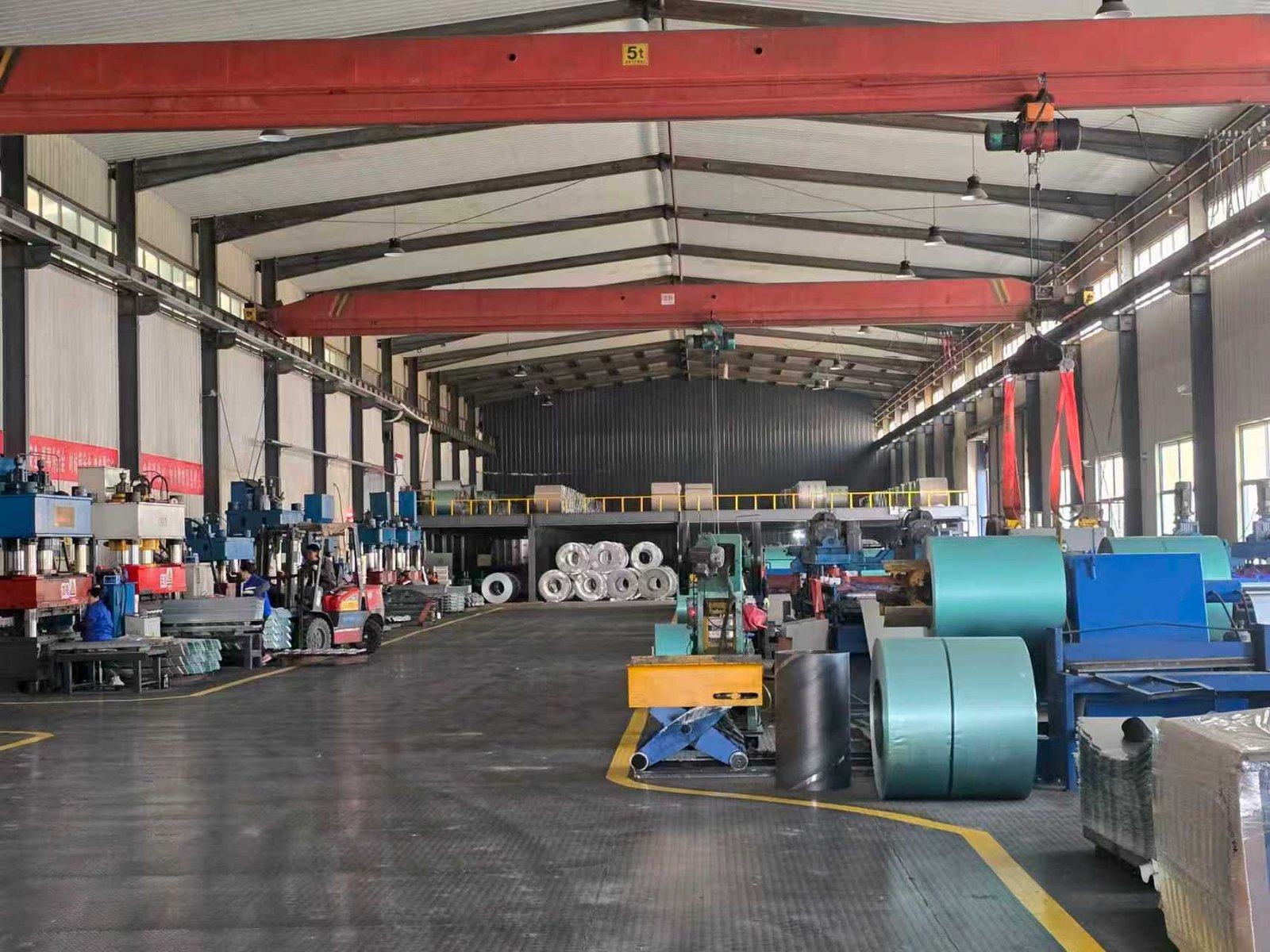
Ask the manufacturer for their UL 2218 (or equivalent) impact test documentation. A clear Class 4 result is a strong signal the product is built for storm country.
Within the standard 0.35–0.45 mm range, choose the thicker substrate for added dent resistance. The substrate gauge is one of the few specifications you can directly compare between suppliers.
Request a physical sample and run your thumbnail across the surface. Well-bonded granules should not come loose easily — this is the same quality that keeps the stone layer intact after an impact.
Fuda Roofing provides free samples for qualified projects, so you can inspect granule adhesion, steel gauge, and finish quality before committing to an order.
Fuda Roofing manufactures nine stone coated metal roof tile profiles in-house with AZ150 galvalume steel. Request a free sample and technical data sheet to verify impact resistance for yourself.
Request Free Sample & Quote →Q: Can hail dent a stone coated metal roof?
A: A very large hailstone can leave a small cosmetic dent, but the steel core flexes instead of cracking, so the roof stays watertight. This is fundamentally different from clay or concrete, which shatter, or asphalt, which bruises and loses granules.
Q: What is UL 2218 Class 4 impact rating?
A: UL 2218 is a standard that simulates hail by dropping steel balls onto roofing material. Class 4 is the highest rating — the material withstands a 2-inch steel ball without cracking or tearing. It is the rating to look for in hail-prone regions.
Q: Does the stone coating chip off when hit by hail?
A: On a well-made tile, the stone granules are bonded to the steel with acrylic resin and sealed with a UV-stable overglaze, so they resist being knocked loose. This is why coating adhesion is one of the key things to check on a physical sample before ordering.
Q: Are stone coated metal roof tiles better in hail than asphalt shingles?
A: Generally yes. Asphalt shingles bruise and shed granules under hail impact, which shortens their life and can trigger a full replacement. Stone coated metal absorbs the impact through its steel core and typically needs little or no repair.
Q: How should I inspect a stone coated metal roof after a hailstorm?
A: Walk the roof (or have a professional do it) and look for dents, cracked tiles, or areas of displaced granules. Minor cosmetic dents rarely affect performance; any cracked or penetrated tile should be replaced individually — one of the advantages of a modular tile roof.
Stone coated metal roof tiles resist hail because of their steel core — a ductile substrate that flexes and absorbs impact energy instead of cracking. The stone granule coating and acrylic overglaze protect that core and help disperse the force of a strike. If you live or build in hail country, look for a Class 4 impact rating, specify the thicker end of the steel gauge range, and verify coating adhesion on a physical sample. A roof that survives a hailstorm with only a cosmetic mark — while the neighbors are filing claims for cracked tile and bruised shingles — is a roof that pays for itself.
在冰雹多发地区,屋面材料的选择直接决定一场冰雹过后是轻微痕迹还是整片更换。彩石金属瓦以钢板为基材,具有延展性,受到冰雹冲击时会弹性变形、吸收能量,而不会像陶土瓦或水泥瓦那样脆裂,也不会像沥青瓦那样被砸伤掉粒。本文系统说明了彩石金属瓦的抗冲击原理:钢芯(镀铝锌AZ150)提供结构支撑、天然石粒涂层分散冲击力、丙烯酸釉层保护颗粒不易脱落,同时强调基板厚度(0.35–0.45mm)对耐砸性能的影响。文中还介绍了国际通用的抗冲击测试标准 UL 2218(其中 Class 4 为最高等级,用2英寸钢球模拟冰雹)以及商业项目常用的 FM 4473,并对比了彩石金属瓦与陶土瓦、水泥瓦、沥青瓦、木瓦在冰雹下的表现。对于正在冰雹多发地区采购屋面材料的进口商和承包商,本文提供了一份实用的选购清单:确认抗冲击等级、指定更厚的钢板基材、并检查样品涂层的附着力。选择一款能在冰雹中仅留下外观痕迹的屋面,才是真正经得起风暴考验的投资。
Written by: Fuda Roofing Export Team · Last updated: 2026-10-19