FUDA  ROOFING
ROOFING
+86 138 6922 6336
Watch Factory
ROOFING
"Metal roofs are loud when it rains." It's one of the most common objections we hear from homeowners and developers considering a metal roof — usually with the image of rain hammering a tin shed. The reality is more nuanced: the noise performance of a metal roof depends almost entirely on how the metal is built. A stone coated metal roof tile is a completely different animal from a bare corrugated sheet. Here's how the layered construction of stone coated steel absorbs and dissipates sound, and what you can expect when the rain — or hail — starts to fall.
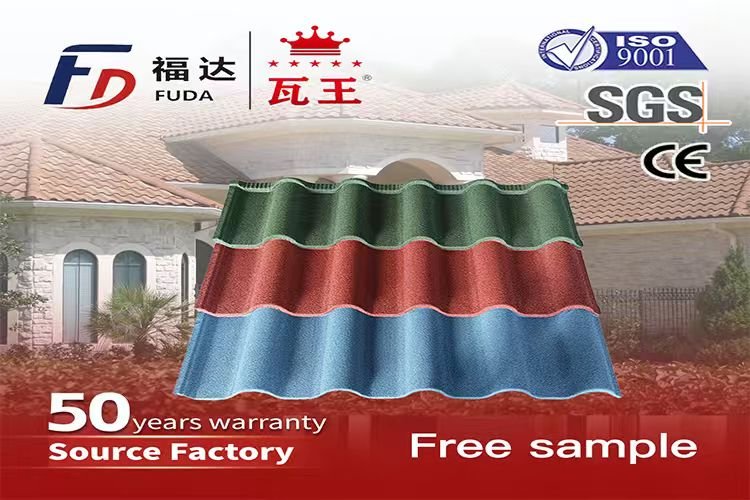
The stereotype of the loud metal roof is rooted in real experience — but with a very specific type of roof. A thin, single-sheet, uninsulated corrugated metal roof (common on agricultural sheds, carports, and low-cost structures) acts like a drum skin. There is no mass to slow the vibration, no cushion to absorb impact, and often no ceiling below to catch the sound. When rain or hail strikes, the sheet vibrates over a wide frequency range and transmits that energy straight into the space below.
A stone coated metal roof tile shares almost none of those characteristics. It is a multi-layer composite, not a bare sheet, and each layer contributes to breaking up sound energy.
| Layer (top to bottom) | Material | Role in Noise Reduction |
|---|---|---|
| 1. Stone granule surface | Natural basalt / silica granules, acrylic-bonded | The rough, granular surface scatters the impact of each raindrop across many small points instead of one. The granules themselves are a soft, heavy, mineral layer that absorbs and dampens high-frequency "patter" sounds. |
| 2. Acrylic resin binder | UV-resistant acrylic | The flexible acrylic layer sits between the granules and the steel, acting as a viscoelastic cushion that converts vibration into heat instead of sound. |
| 3. Galvalume steel core | AZ150 aluminum-zinc coated steel, 0.35–0.45 mm | Provides the structural strength. Because it is bonded to the layers above and below, it cannot vibrate freely like a bare sheet — the composite moves as one damped unit. |
| 4. Back coating | Protective acrylic back coat | Seals the underside and adds a final thin layer of mass and damping to the composite. |
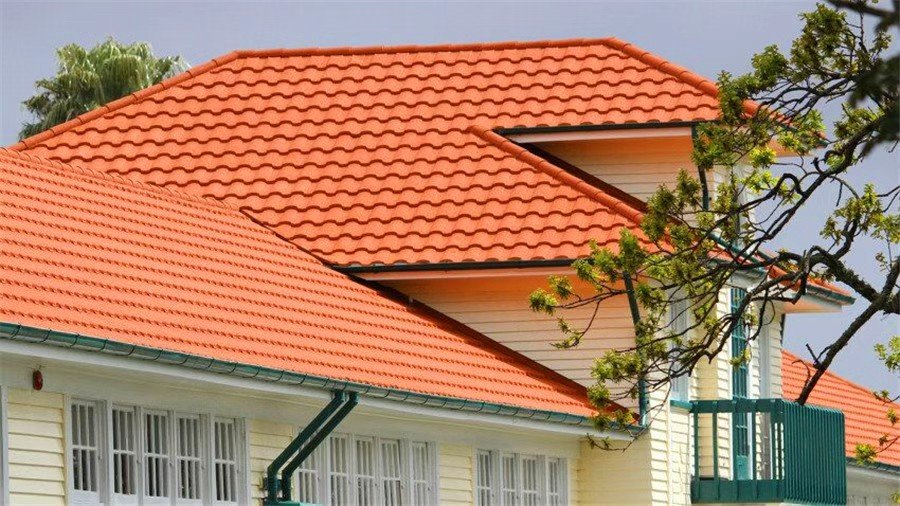
Noise perception is subjective, but the relative ranking of common roofing materials is well established from homeowner feedback and acoustic testing of installed assemblies. The table below reflects how these materials are generally experienced in a typical insulated home.
| Roofing Material | Rain Noise Level | Why |
|---|---|---|
| Bare corrugated metal (uninsulated) | Loud | Thin single sheet vibrates freely; no mass or damping layer; often no ceiling below. |
| Asphalt shingles | Moderate | Granular surface dampens impact, but thin and light; sound passes through to the deck. |
| Stone coated metal tiles | Low | Granule + acrylic + steel composite absorbs impact; installed over decking and underlayment. |
| Clay / concrete tiles | Low | Heavy and dense — high mass absorbs sound, though heavy weight raises cost and structure requirements. |
> Ranking reflects typical insulated residential assemblies; actual perception depends on underlayment, decking, ceiling, and attic insulation.
The tile itself does most of the work, but three installation choices determine whether your finished roof is "quiet" or "very quiet." These apply to every roofing material, not just metal.
A high-quality synthetic breathable underlayment laid over the roof deck adds a second sound-damping and vibration-isolating layer between the tiles and the interior. It also manages moisture and improves wind-uplift resistance — a triple benefit for a modest cost. Traditional felt works too, but synthetic underlayments are dimensionally stable and tear-resistant.
The roof deck (plywood or OSB) is the main structural barrier between the roof surface and your ceiling. A solid, properly fastened deck prevents the "drum" effect entirely. If you are building from scratch, insist on a continuous, well-secured deck rather than spaced battens over open rafters — this single decision dramatically changes perceived rain noise.
Insulation in the attic or ceiling cavity absorbs airborne sound that makes it past the roof assembly. This is the same principle that makes a well-insulated home quiet from street noise. Combined with the tile's own damping, a fully insulated roof space delivers a level of acoustic comfort indistinguishable from traditional tile roofs.
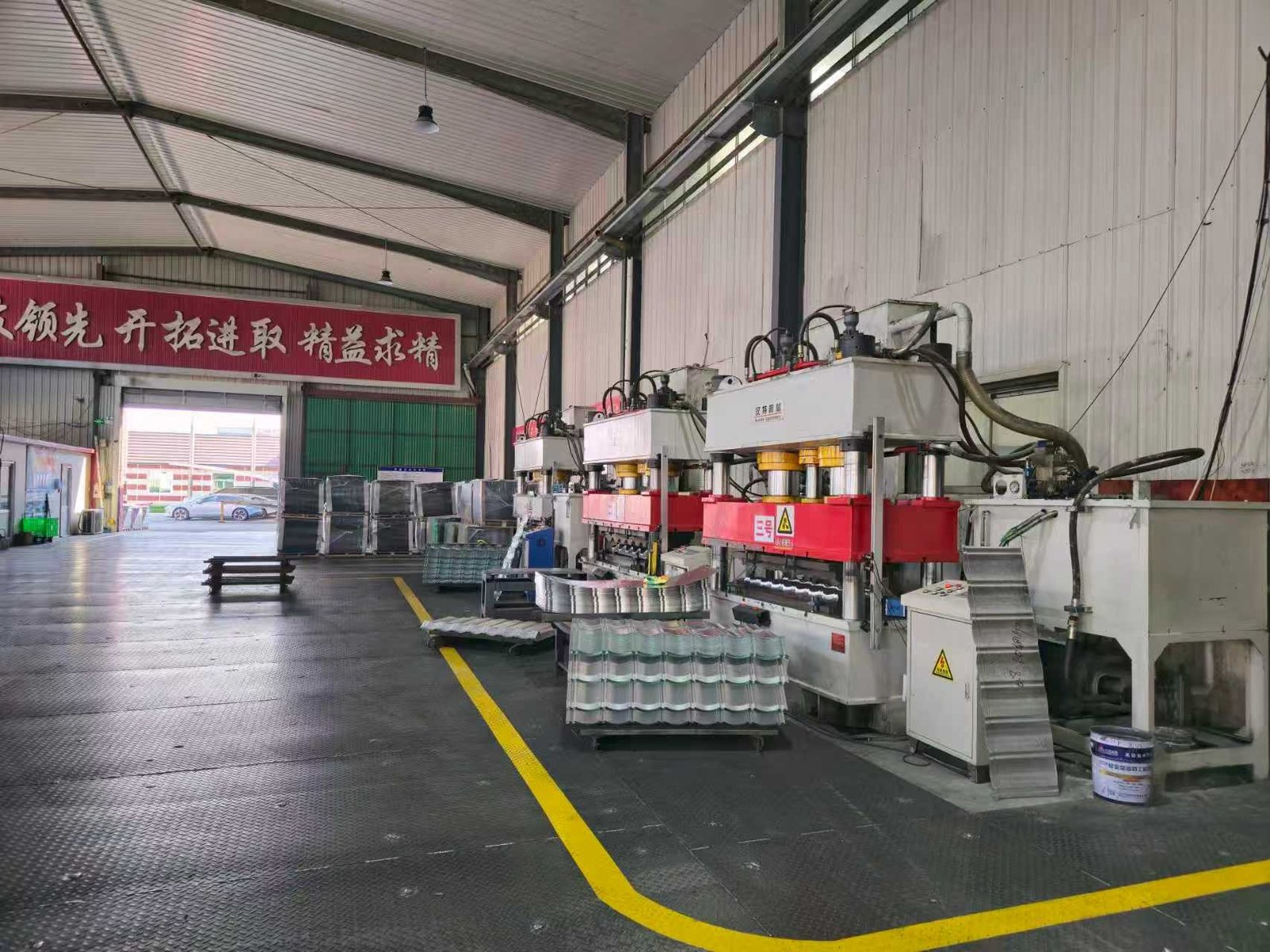
Because the stone granule layer is what absorbs rain impact, the quality and uniformity of that coating directly affects acoustic performance. A tile with thin, uneven, or poorly bonded granules will transmit more sound than one with a dense, even stone surface. This is why the manufacturing process matters — consistent granule application, correct acrylic curing, and uniform coverage are all part of producing a tile that performs well acoustically and mechanically.
When sourcing stone coated metal roof tiles, look for a manufacturer with controlled, automated coating lines and documented quality checks. A consistent tile is quieter, more durable, and easier to install than an inconsistently coated one.
Request free samples and a full technical data sheet — including coating specifications, weights, and profile options. We'll help you specify the right tile for quiet, durable, long-lasting roofs.
Request Free Quote →Q: Are stone coated metal roof tiles quieter than standard metal roofing?
A: Yes — substantially. A bare painted or galvanized metal sheet has a single thin layer that vibrates freely. Stone coated tiles add a thick granule-and-acrylic layer bonded to the steel, which absorbs impact and prevents free vibration. In practice, most homeowners cannot tell the difference between stone coated steel and clay or concrete tiles by sound alone.
Q: What about hail — is a metal roof louder during hailstorms?
A: Hail is loud on any hard roof surface, including clay and concrete tile. The advantage of stone coated steel is that the granule layer cushions the impact and the steel core is dent-resistant — the tile is also engineered to survive hailstorms without cracking or breaking, unlike brittle clay or concrete tiles. With a proper deck and insulation, hail noise is comparable to other premium roofs.
Q: Do I need extra sound insulation under a stone coated metal roof?
A: For most residential projects, standard construction — decking, synthetic underlayment, and normal attic/ceiling insulation — is sufficient for comfortable indoor noise levels. Extra acoustic insulation is only worth considering for unusual cases such as buildings with no ceiling below the roof, or open-plan spaces where occupants are directly under the roof surface.
Q: Will the roof get noisier as the stone coating wears?
A: No. The stone granule layer is a mineral product that does not wear away under normal conditions — it is designed to last for decades alongside the steel core. Stone coated metal roof tiles carry a 50-year lifespan in properly installed applications, and the acoustic properties remain stable over that life.
Q: How does the light weight affect noise and structure?
A: At only 6–7 kg/m², stone coated steel is far lighter than clay or concrete tiles (40–60 kg/m²). The light weight reduces structural load, but because the noise control comes from the layered composite and the deck/insulation assembly — not from raw mass — you get quiet performance without the heavy structural reinforcement that traditional tiles require.
The "noisy metal roof" concern is a legacy of thin, uninsulated corrugated sheeting — not a property of stone coated metal roof tiles. The stone granule surface, acrylic damping layer, and galvalume steel core work together as a composite that absorbs rain and hail impact, while a proper deck, synthetic underlayment, and ceiling insulation finish the job. Properly installed, stone coated steel delivers acoustic comfort on par with traditional tile roofs — combined with lighter weight, a 50-year lifespan, and a competitive installed cost. If noise has been holding you back from considering a metal roof, stone coated tiles remove that objection entirely.
"金属屋顶下雨时很吵"是许多业主和开发商对金属屋面最常见的顾虑之一,但这一印象其实来自无隔热层的薄波纹钢板,而非彩石金属瓦。本文详细解释了彩石金属瓦的四层复合结构——天然彩砂石粒层、丙烯酸树脂粘结层、AZ150镀铝锌钢芯和背面涂层——如何共同吸收和消散雨滴与冰雹的冲击能量,避免像单层薄金属板那样自由振动产生噪音。文中还对比了彩石金属瓦与波纹钢板、沥青瓦、粘土/混凝土瓦在雨声和冰雹声方面的表现,并指出基层、合成防水垫层和阁楼保温对最终隔音效果的关键作用。对于担心噪音问题而犹豫是否选用金属屋面的用户,彩石金属瓦既能提供与传统瓦片相当的静音体验,又兼具重量轻(6–7 kg/m²)、50年使用寿命和安装成本竞争力等优势。
Written by: Fuda Roofing Export Team · Last updated: 2026-09-28