FUDA  ROOFING
ROOFING
+86 138 6922 6336
Watch Factory
ROOFING
Choosing the wrong stone coated metal roof tile manufacturer doesn't just cost you money —it can kill your project. Substandard tiles mean callbacks, warranty claims, and reputational damage that no discount can fix. This guide gives you a practical, step-by-step checklist to separate serious manufacturers from traders and low-quality suppliers.
Stone coated metal roof tiles look similar in photos. The differences —steel thickness, coating quality, color fastness, dimensional accuracy —only become visible months after installation, when tiles start fading, rusting, or leaking. By then, the "cheap quote" has turned into an expensive disaster.
A reliable manufacturer invests in AZ150 galvalume steel (not AZ80 or AZ100), precision roll-forming machinery, multi-stage quality inspection, and proper export packaging. A trader resells whatever is cheapest that month. The price gap is typically 15-25%, but the risk gap is 10x.
The foundation of any stone coated roof tile is the steel core. Ask the manufacturer: "What grade of galvalume steel do you use?" The correct answer is AZ150 (150g/m² aluminum-zinc coating), which provides decades of corrosion resistance. Lower grades like AZ80 or AZ100 are common cost-cutting shortcuts that dramatically reduce lifespan, especially in coastal or humid climates.
| Steel Grade | Coating Weight | Expected Lifespan | Recommendation |
|---|---|---|---|
| AZ150 | 150 g/m² | 30-50 years | ✓ Industry Standard |
| AZ100 | 100 g/m² | 15-25 years | ⚠ Acceptable for dry climates only |
| AZ80 or below | 80 g/m² | 8-15 years | ✗ Avoid |
Pro tip: Ask for the steel supplier's mill certificate. Fuda Roofing sources from Baosteel and HBIS, two of China's largest state-owned steel producers —verifiable by the mill test certificate that accompanies every shipment.
A manufacturer's monthly output tells you whether they can handle your order volume and timeline. Ask for monthly production capacity in square meters and verify it against the number of production lines. A single modern roll-forming line produces approximately 80,000-120,000 m² per month. If a factory claims 500,000 m²/month but has only two lines, the math doesn't add up.
Also ask about current order lead times. A factory running at 90%+ capacity will struggle to meet your deadline. The sweet spot is a manufacturer running at 60-80% capacity —busy enough to be trusted, available enough to serve you.
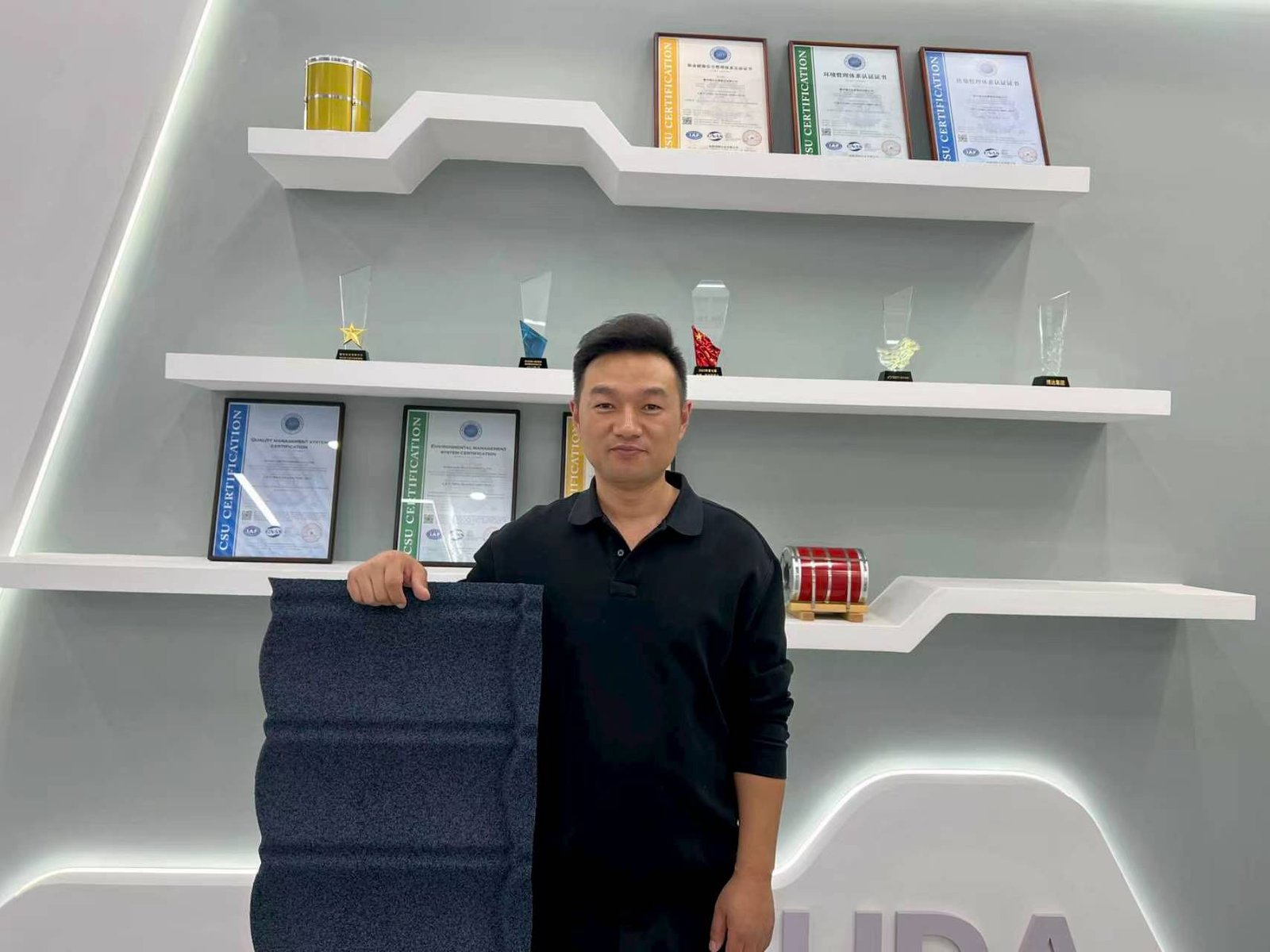
Many factories display certificates. Few can produce the corresponding test reports. The distinction is critical: a certificate shows membership; a test report shows compliance.
| Certification | What to Ask For | Why It Matters |
|---|---|---|
| ISO 9001 | Latest audit report from notified body | Confirms systematic quality management |
| CE Marking (EN 14782/EN 14783) | Declaration of Performance (DoP) | Required for EU market entry |
| SGS / Intertek | Third-party product test report | Independent verification of product claims |
| SONCAP | Product certificate valid for current year | Mandatory for Nigeria imports |
The stone chips bonded to the steel surface are what give these tiles their aesthetic appeal and weather protection. A quality coating uses natural basalt or quartz stone granules applied over an acrylic base coat with UV-stabilized overglaze. Low-quality manufacturers use dyed sand or crushed rock that fades within 2-3 years.
Simple tests to request:
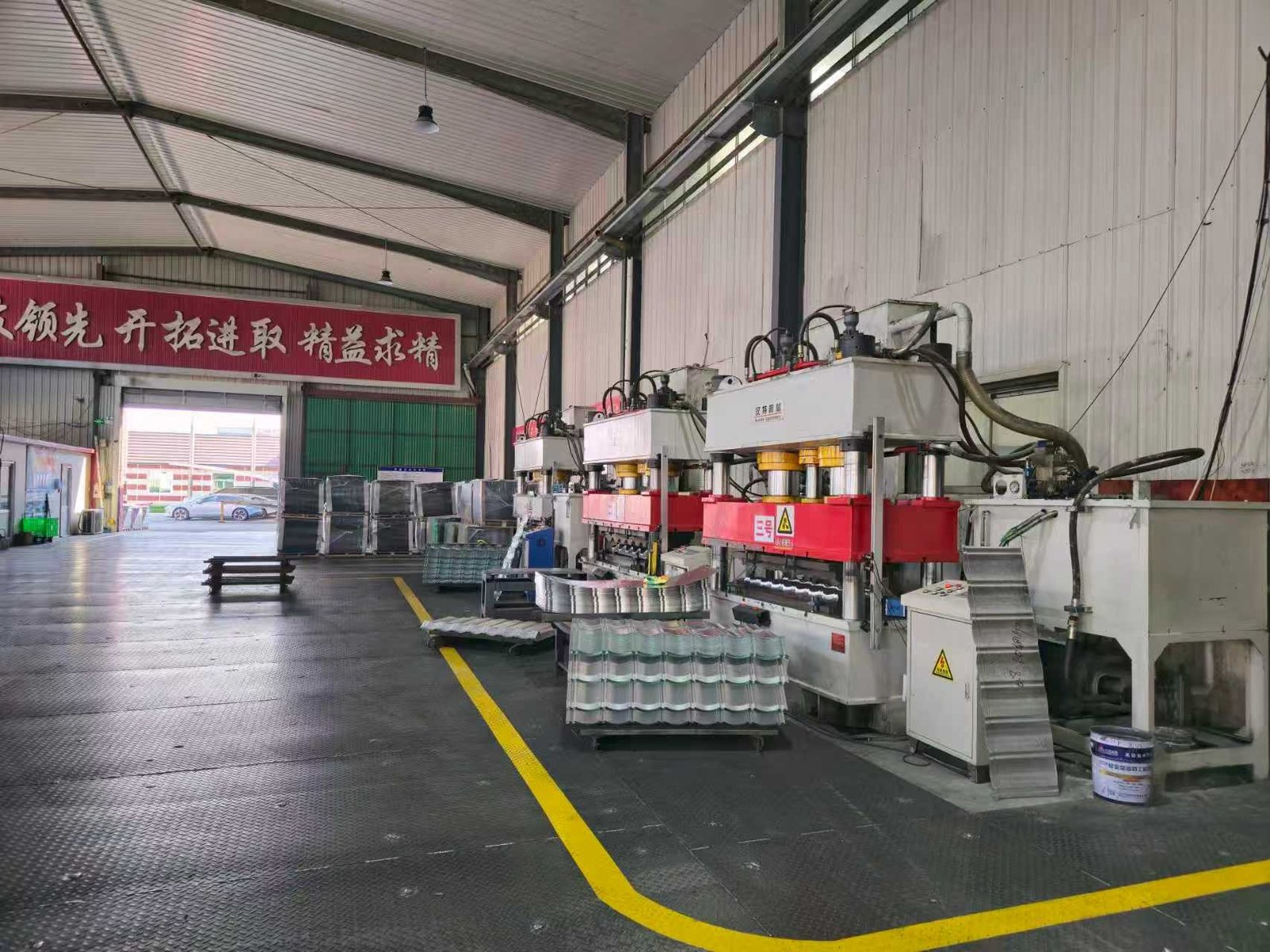
A video call walkthrough reveals more than any brochure. During a factory tour (in person or virtual), look for:
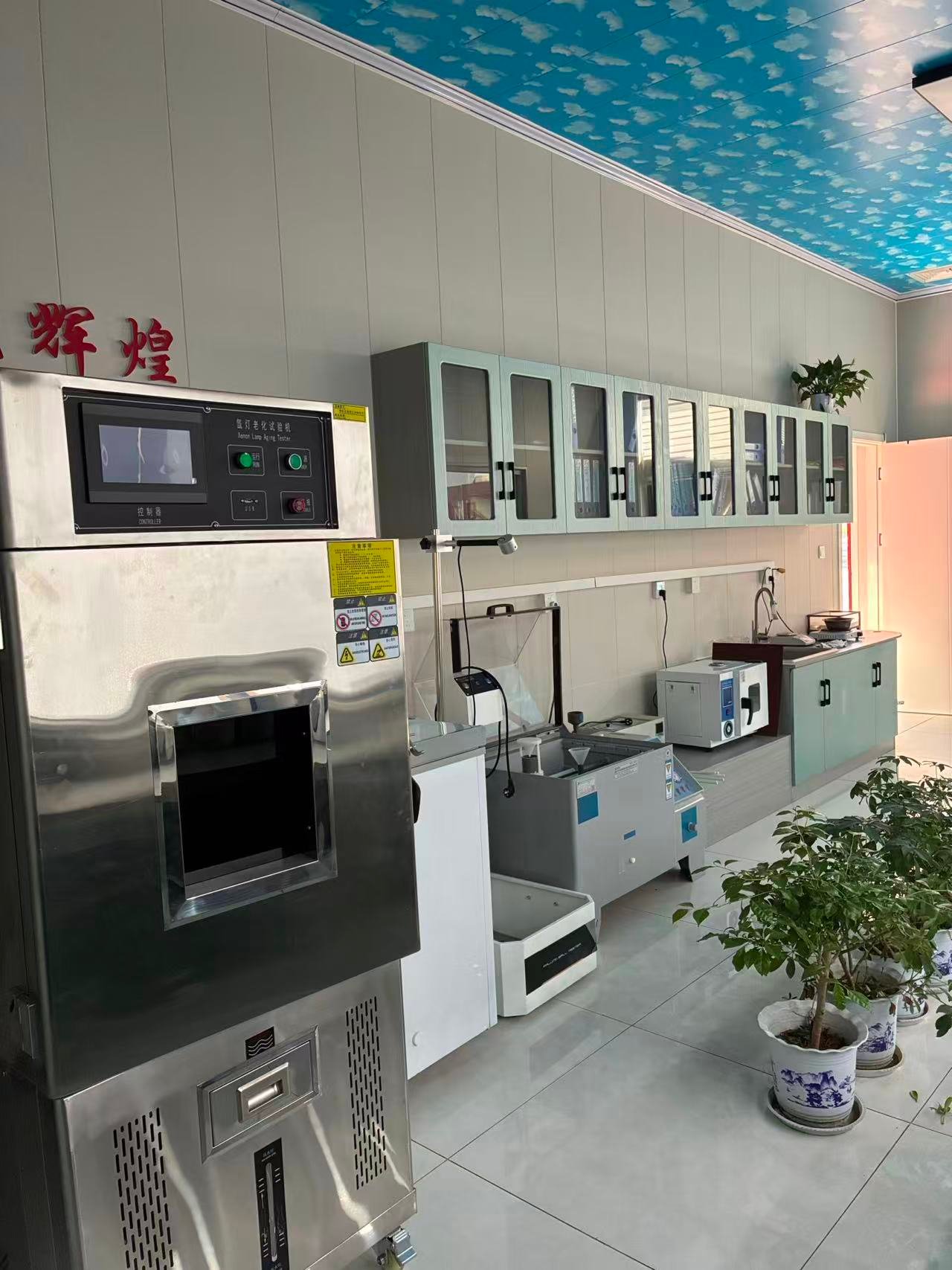
Never order a container without holding the actual product. Request 2-3 full-size tiles (not cut pieces) in your target color and profile. When samples arrive:
Manufacturing tiles is one skill. Exporting them is another. Ask the manufacturer:
How tiles are packed determines whether they arrive intact. Quality packaging includes:
Ask for photos of recent container loading from the manufacturer. If they can't produce these, they likely don't export regularly.
What happens when 5% of tiles arrive damaged? Or when the color doesn't match the approved sample? A reliable manufacturer has clear answers:
When you receive quotes from 3-5 manufacturers, create a comparison table. Price is one column —but weight it alongside these factors:
| Evaluation Factor | Weight | How to Score |
|---|---|---|
| Steel grade & thickness | 25% | AZ150 = full score; lower grades = deduct |
| Certifications & test reports | 20% | Third-party reports = full score; self-declared only = half |
| Sample quality | 20% | Physical inspection of received samples |
| Export experience | 15% | Verified references + container loading photos |
| Communication & responsiveness | 10% | Reply speed, English proficiency, documentation quality |
| Price per m² (FOB) | 10% | Only 10% —because quality determines cost, not the other way around |
We built our factory on these exact standards because we've been on the buyer side ourselves. Here's what you get when you work with us:
Q: How do I know if a factory is a real manufacturer or a trading company?
A: Ask for a video call walking through the production floor. Trading companies will make excuses. Also check their business license —manufacturers have "生产/制造" (production/manufacturing) in their scope; traders have "贸易" (trading).
Q: What's a reasonable MOQ (minimum order quantity)?
A: For stone coated metal roof tiles, the industry standard MOQ is 500-1,000 m² per profile and color. Lower MOQs (100-200 m²) typically indicate a trading company reselling from multiple factories.
Q: How many samples should I order before placing a container order?
A: At minimum, 2-3 full-size tiles in each profile and color you're considering. Also request a color chart/swatch for future reference. Some buyers order a small trial batch (50-100 m²) via air freight before committing to a full container.
Q: Can I mix multiple profiles and colors in one container?
A: Yes. Fuda Roofing regularly ships mixed containers with 2-4 profiles and 3-6 colors. This is standard practice for distributors stocking multiple product lines. Confirm with the manufacturer that they support mixed loading and provide clear pallet labeling.
Q: What's the typical lead time from order to shipment?
A: Standard lead time is 15-25 days after deposit confirmation, depending on order size and current production queue. Custom colors or non-standard profiles may add 5-10 days. Rush orders (7-10 days) are possible for smaller quantities at a premium.
Q: Should I hire a third-party inspection company?
A: For first-time orders or orders above $50,000, yes. Companies like SGS, Bureau Veritas, or Intertek will inspect your shipment at the factory before loading —checking quantity, dimensions, coating quality, and packaging. Cost is typically $300-600 per inspection and is well worth the peace of mind.
Request free samples, schedule a factory video tour, or get a detailed quotation. We'll send everything within 24 hours.
Request Free Samples → Chat on WhatsApp →选择彩石金属瓦制造商时,不要只看价格——钢材等级(必须是AZ150)、第三方检测报告、生产线实力和出口经验才是决定质量的关键。本文提供10点核查清单,帮助进口商从钢基材、认证、涂层质量、样品检验、工厂审计、包装标准到售后服务全面评估供应商,避免因低价采购导致的质量事故和售后纠纷。福达屋面提供免费样品、工厂视频参观和详细报价,欢迎随时对比验证。